Most agent observability platforms show chronological tool call transcripts: a linear, 2,000-line firehose of bash, read_file, and replace_file_content logs. When coding agents run for hours or execute across parallel lanes, transcripts create immense cognitive noise without answering the fundamental questions: Where in the architecture is the agent working? Is it thrashing? Has it touched finished code?
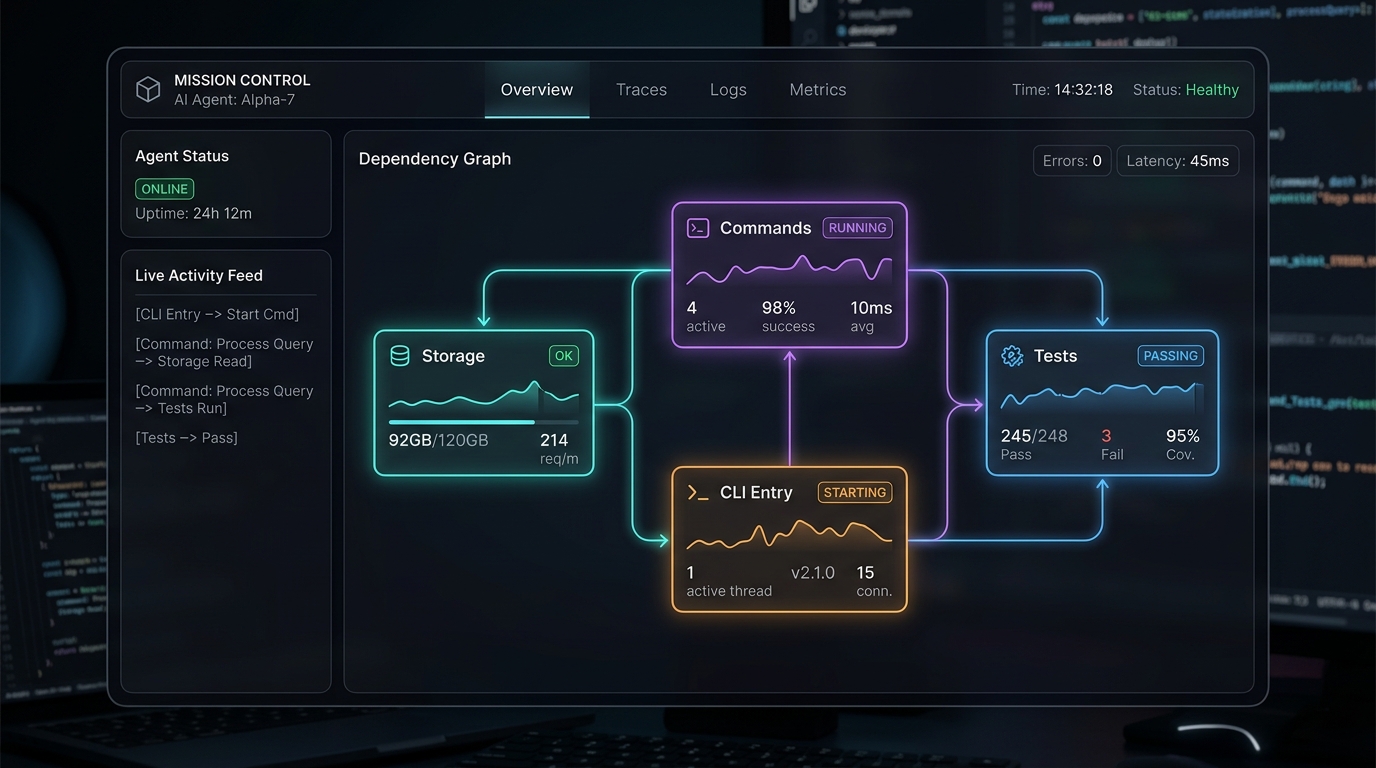
Clembot HUD is an architecture-grounded observability HUD and state machine for Clembot. Instead of replaying raw conversation transcripts, it binds agent activity directly to a directed graph of architectural components, file globs, and living invariants.
Three Pillars of Architectural Telemetry
                       ┌────────────────────────────────────────┐
                       │          Architectural Invariants      │
                       │     (5–9 Components, Needs, Globs)     │
                       └───────────────────▲────────────────────┘
                                           │
┌────────────────────────┐     ┌───────────┴────────────┐     ┌────────────────────────┐
│   Declared State       │ ──► │  Local Event Relay     │ ◄── │   Filesystem Reality   │
│  PLAN.md ([ ], [~], [x])│     │  (SSE Broadcast :5330) │     │  (fs.watch, Heatmap)   │
└────────────────────────┘ └────────────────────────┘ └────────────────────────┘-
Architecture over Transcripts:
- Work is categorized into 5–9 durable system components (
{#storage},{#commands},{#cli},{#tests}). - Components declare explicit file ownership patterns (
files: [src/store.*]) and directed dependencies (needs: [storage]). - The UI visualizes a living DAG rather than an endless chat log.
- Work is categorized into 5–9 durable system components (
-
Filesystem Grounding vs. Declared Intent:
- Agents often hallucinate their status or batch plan updates at the end of a session.
- Clembot HUD watches the underlying filesystem (
fs.watch) alongside local Claude Code hook events (PreToolUse,PostToolUse). - If an agent touches a file inside
src/store.*, theStoragecard lights up and records a heat pulse regardless of what the prompt claims.
-
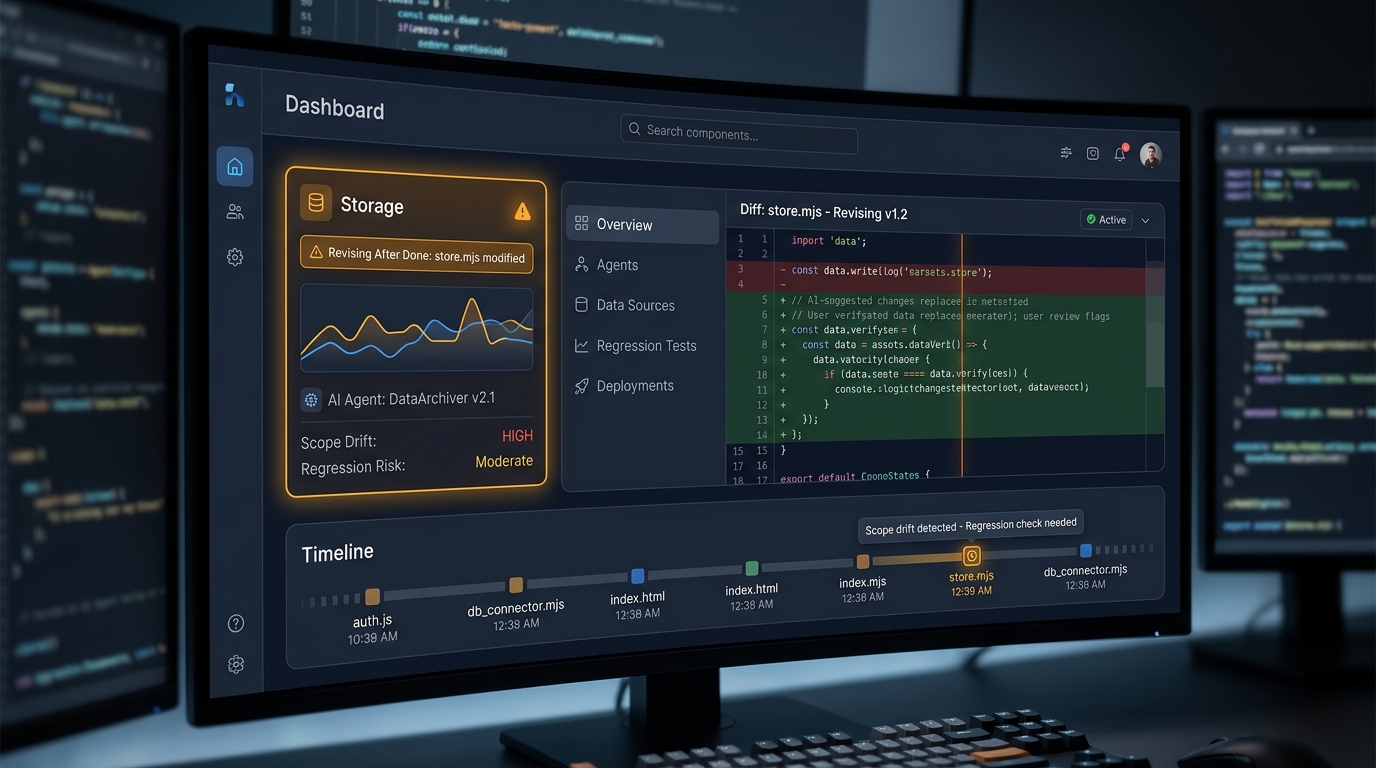
Scope-Drift & Regression Detection:
- When a component is completed (
[x]), it enters a stable state. - If an agent working on a downstream task begins modifying files owned by an upstream, completed component, the HUD flags the card with an active
Revising · <file>pulse. - Supervisors and operators can immediately spot accidental regressions or out-of-scope refactor loops before commits occur.
- When a component is completed (
The Clembot CLI Integration (clembot hud)
Observability is built directly into Clembot’s CLI as an opt-in sidecar:
# Launch the real-time architectural HUD for the current workspace
clembot hud

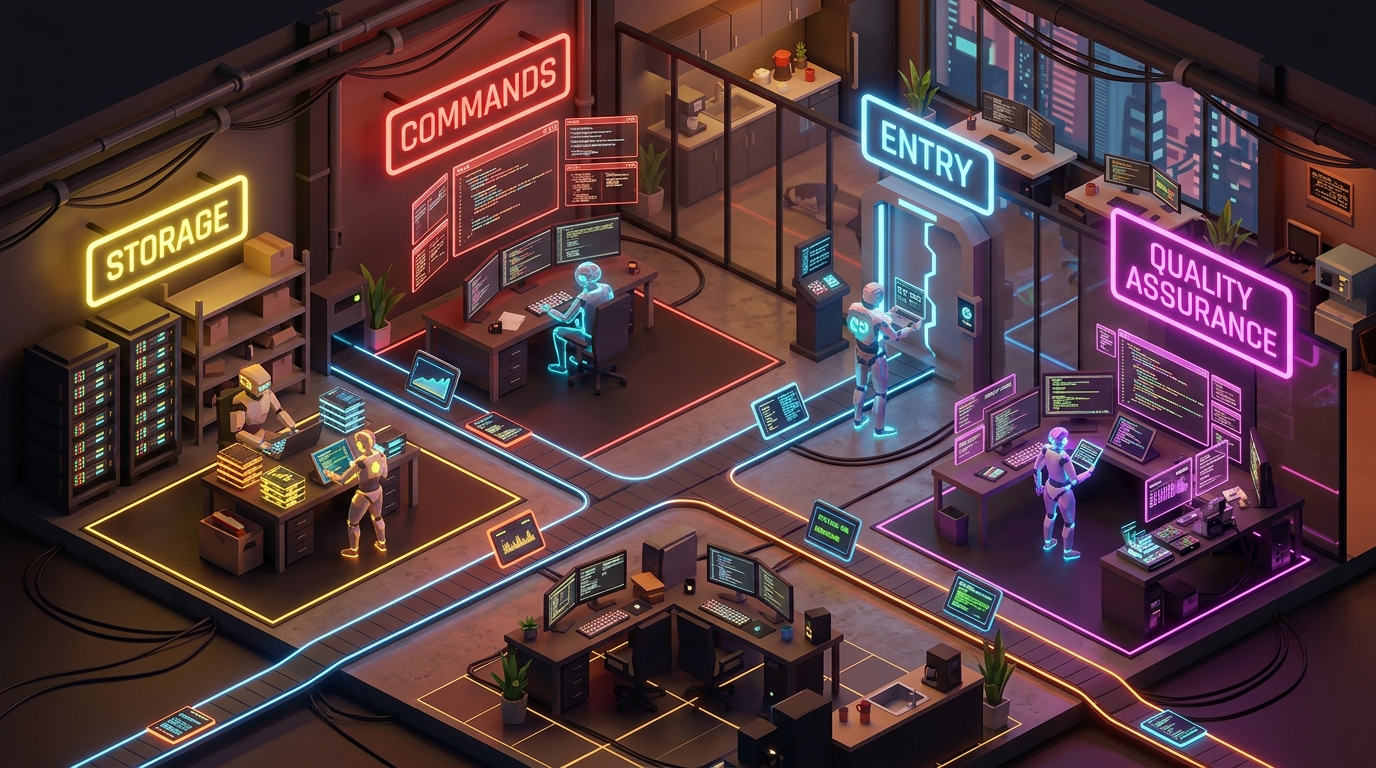
# Launch with the experimental 3D Kitchen view on port 4780
clembot hud --kitchen

# Run headless or bind to a custom daemon port
clembot hud --port 5340 --no-open
Fault-Tolerant Sidecar Design
- Zero Dependency Core: The local daemon runs without external cloud subscriptions or database overhead.
- Cross-Platform Hardening: Wrapped with safe Windows process launching (
cmd /c start) to prevent unhandledspawn ENOENTruntime crashes. - Graceful Termination: Captures
SIGINT/SIGTERMand automatically cleans up background telemetry daemons without dangling orphaned Node processes.
Verified Evaluation Matrix
Evaluated in clean-room testing across a 4-component CLI application:
| Capability | Standard Agent Loggers | Clembot HUD |
|---|---|---|
| Mental Model | Chronological stream | Component Dependency DAG |
| Liveness Source | Agent self-reporting / API stream | Filesystem fs.watch + Hook relay |
| Scope Enforcement | None (reads output after failure) | Live component glob matching |
| Revision Detection | Buried in diffs | Real-time card relighting (obs-live) |
| System Overhead | High (transcripts, token indexing) | Near zero (<15MB RAM, local SSE) |